Techno Feudalism: What Killed Capitalism by Yanis Varoufakis

Techno Feudalism: What Killed Capitalism by Yanis Varoufakis draws a direct parallel between modern cloud companies and platforms, or the Technofeudalists who own private spaces and cloud capital on the internet and collect rent from businesses and people who reside in those spaces. A good example is the sales cut Apple and Google take from apps on their app stores, and, of course, all cloud service companies that are mostly large corporations concentrated in the United States. 

The Internet used to be part of the commons, according to the author, much like much of the land in Europe was part of the commons before it was sold to Barons, Dukes, and Earls by Kings in exchange for military alliances. The peasants who had lived on those lands for centuries were kicked out unless they could pay rent. Peasants with nowhere to go migrated to cities, worked as cheap labour, and that was the start of the working class and the Industrial Revolution. 

I’m not sure the Internet was ever part of the commons, considering that even the most basic servers that serve HTML pages are often privately owned, once we exclude servers owned by publicly funded institutions. The metaphor fails, considering that even much of the open-source software powering internet websites, services, and apps runs on proprietary hardware and costs money for electricity and expertise to keep it humming. 

But the book made me think: if we can have libraries and community centers in our neighbourhoods, why not build neighbourhood cloud infrastructure and data centers owned by people, governed by local privacy laws, run on renewable energy, and used to power the neighbourhood’s decentralized AI, social networks, apps, and websites? 
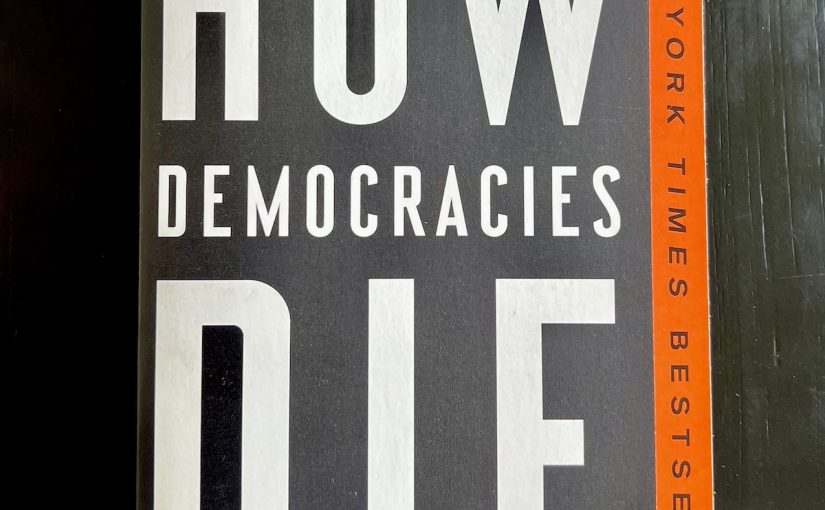
How Democracies Die by Steven Levitsky and Daniel Ziblatt

How Democracies Die by Steven Levitsky and Daniel Ziblatt was published in 2018, during President Trump’s first term in the US. The book focuses largely on US history and politics. Still, what I found most interesting was the first chapter, where the authors describe the common pattern of how authoritarian governments gain power through the democratic process and elections, and then later destroy the pillars of a free and democratic society during their reign. 

Whether it was Adolf Hitler in Germany, Getúlio Vargas in Brazil, Alberto Fujimori in Peru, Hugo Chávez in Venezuela, or, of course, Donald Trump in the US, they all came to power through the democratic process with the help of establishment political elites and were driven by short-term partisan goals. In all these cases, established parties made a ‘fateful alliance’ with a populist outsider whose message was resonating with people’s frustration and grievance. The supporting political party thought that once they won the election, they could set guardrails and boundaries to control the demagogue they helped elevate. In all those cases, their plan backfired, allowing these leaders to dismantle democratic institutions incrementally and gradually from the inside. 

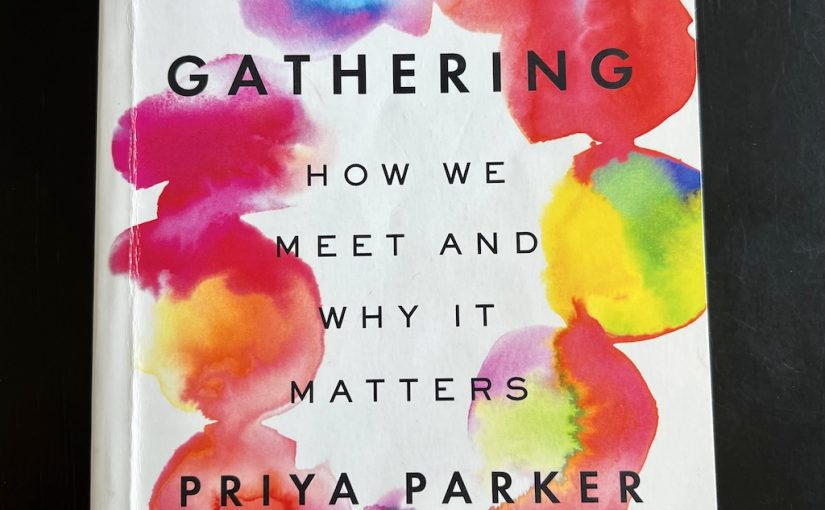
The Art Of Gathering by Priya Parker

The Art of Gathering by Priya Parker illuminates invisible social dynamics that neurodivergent individuals like me often struggle to perceive. It offers insights into how we can attend social gatherings or host our own. Building horizontal relationships and communities is an effective form of resistance against authoritarianism and fascism, and it’s a skill that we can learn and teach each other.

The Art Of Gathering by Priya Parker

The book also offers valuable advice on hosting events for diverse cultural backgrounds and redefining social conventions that cater to all attendees.

The Art Of Gathering by Priya Parker

I used to host unconferences where we taught people how to use open-source technologies and build communities. The book was particularly useful when hosting tech and unconference events with colleagues.

The Art Of Gathering by Priya Parker

Nowadays, I sometimes host gatherings in my home and try to prioritize guests who are single, live alone, queer/trans, or not part of privileged heteronormative couples. The book offers helpful tips and validations for community development and hosting gatherings in personal or professional life.

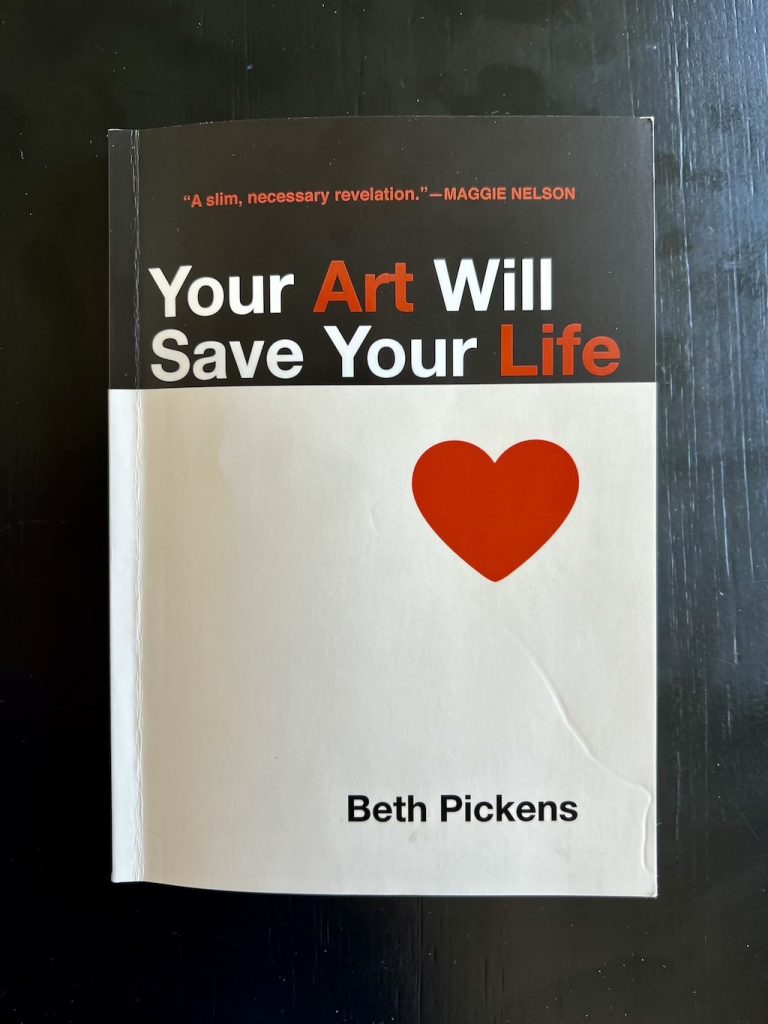
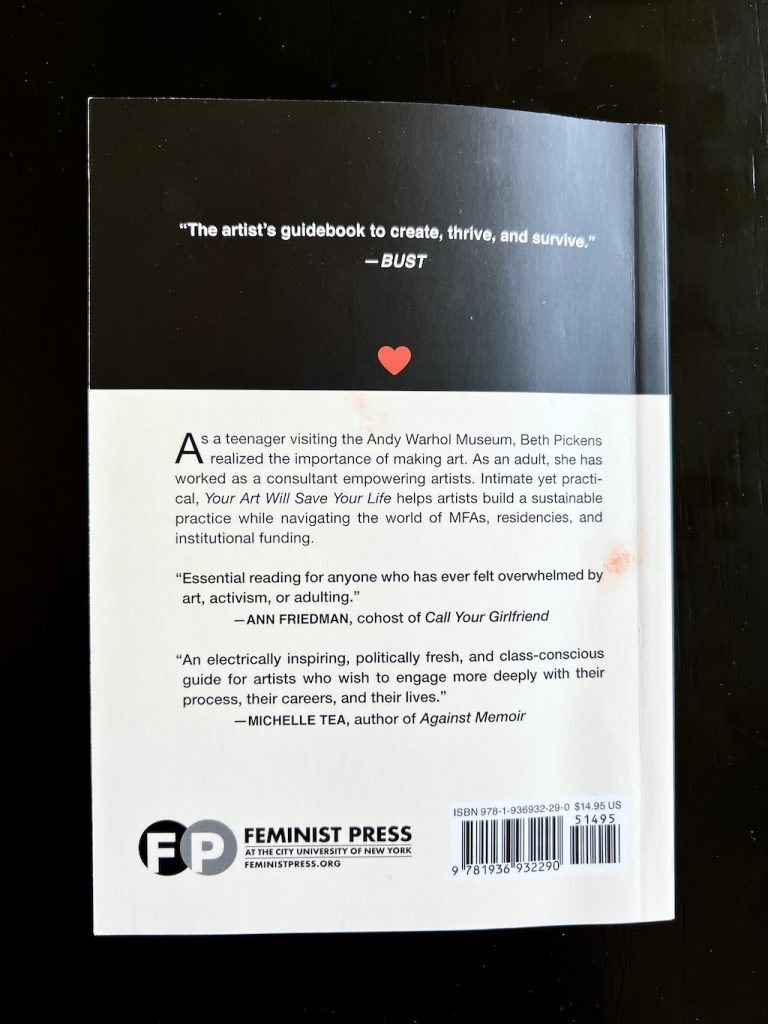
Your Art Will Save Your Life by Beth Pickens

Your Art Will Save Your Life by the Queer writer Beth Pickens is a guideline and slim handbook about surviving fascism by creating art and sharing it with your community and community building as an antifascist tool and means of staying politically engaged.

The author wrote the book in 2008 during the first period of Mango Mouselini’s presidency. The book also provides additional guidelines for artists to sustain their practices of creating art, navigating the art world, residencies, and funding.

It’s time we reclaimed the cyberspace

Coming from the Y2K era of open-source innovations, the Internet could’ve been enjoyable and beneficial, but the tech Broligarchy ruined it for everyone! It’s time we reclaimed that space. I miss the Un-conferences and other community events where we built tools for the goodness of humanity!