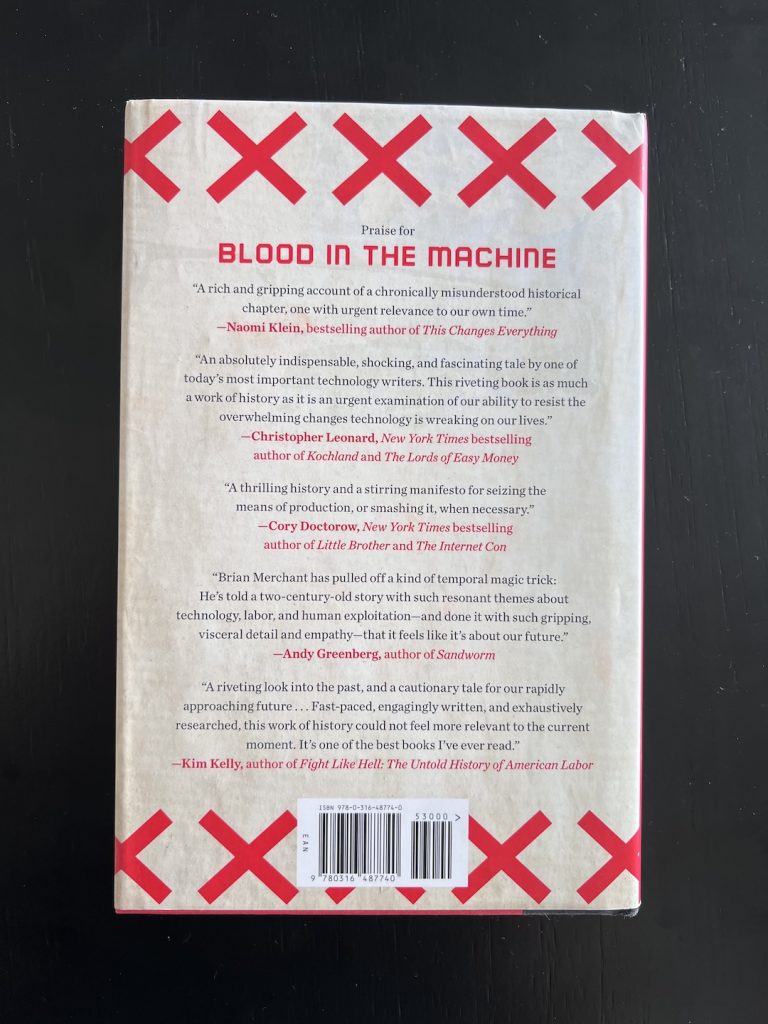
Blood In The Machine by Brian Merchant

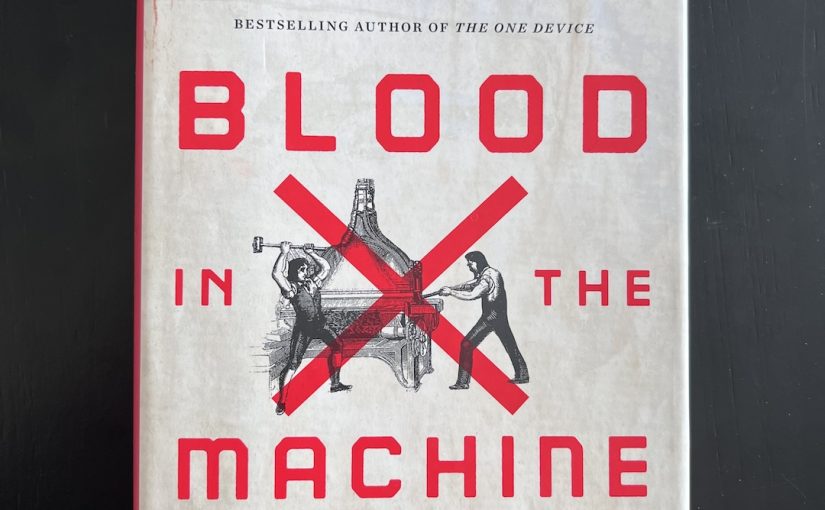
Brian Merchant’s Blood in the Machine is the story of the Luddite movement in 19th-century England. Luddites were groups of English textile workers displaced by automation technologies and struggled to protect their livelihoods.
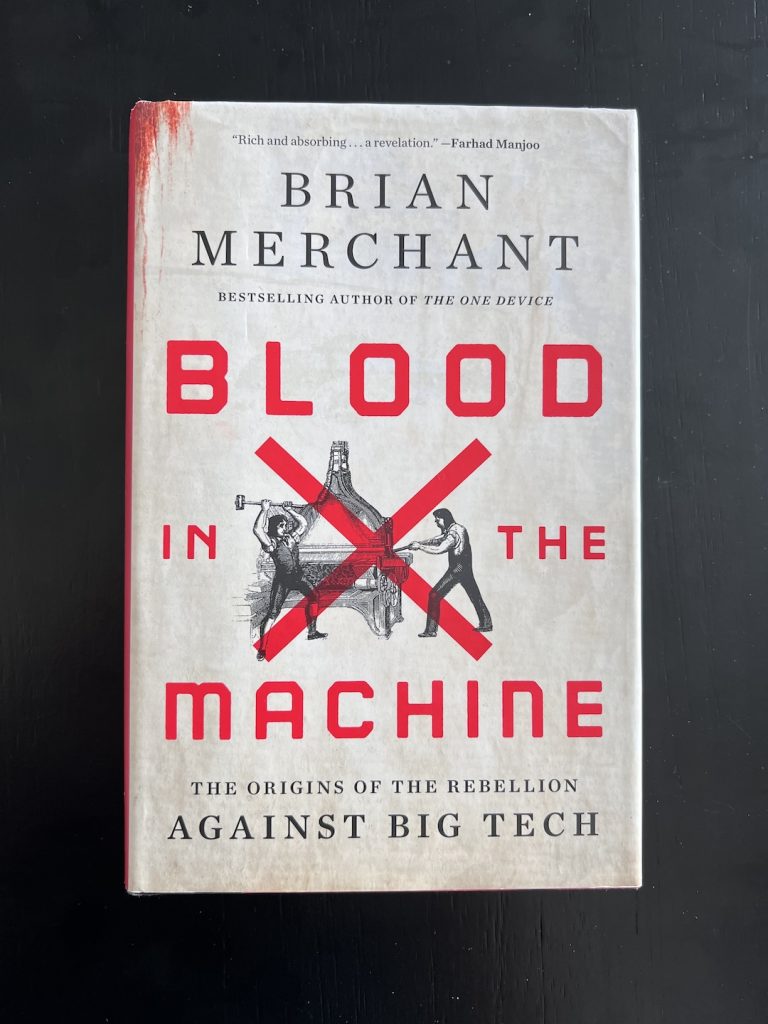
In contemporary English, we refer to people who oppose new technologies as Luddites, but Luddites were neither against new technologies nor technological automation. They wanted income, food, and housing security; they wanted a share of the fruits of their labour that helped textile entrepreneurs maximize the performance of their technologies and minimize their reliance on human labour to the point that industrialists were hiring children as machine operators.

In some gruesome accounts, many of these children ended up crushed to death inside these factory machines. Sometimes, their employers wouldn’t stop the machines to save a child caught in the machine because stopping the machines could hurt productivity. Workers had to continue to work while their co-worker’s bodies were being crushed and mangled in the gears of industrial machines. A common form of punishment was to force unproductive children to stand near dangerous areas of industrial machines for hours, where a slight movement could result in severe injuries and amputations. The Tory governments heavily supported textile industrialists and entrepreneurs at the time, which eventually crushed the Luddite movement by arresting and publicly “un-aliving” the Luddite leaders and members.
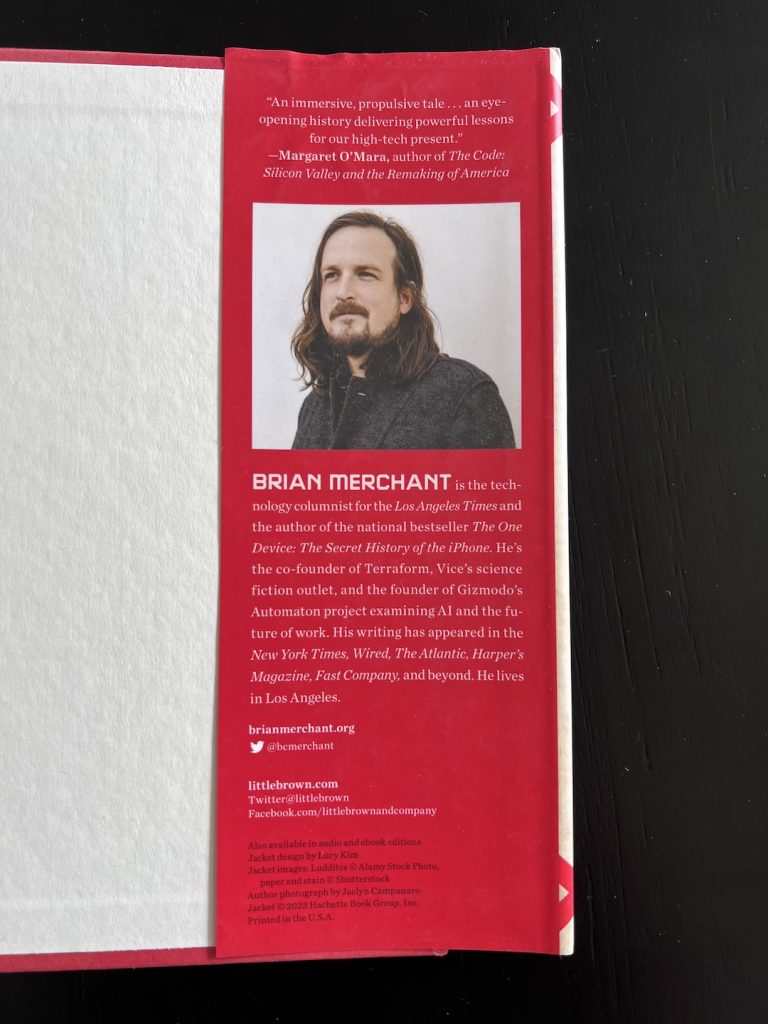
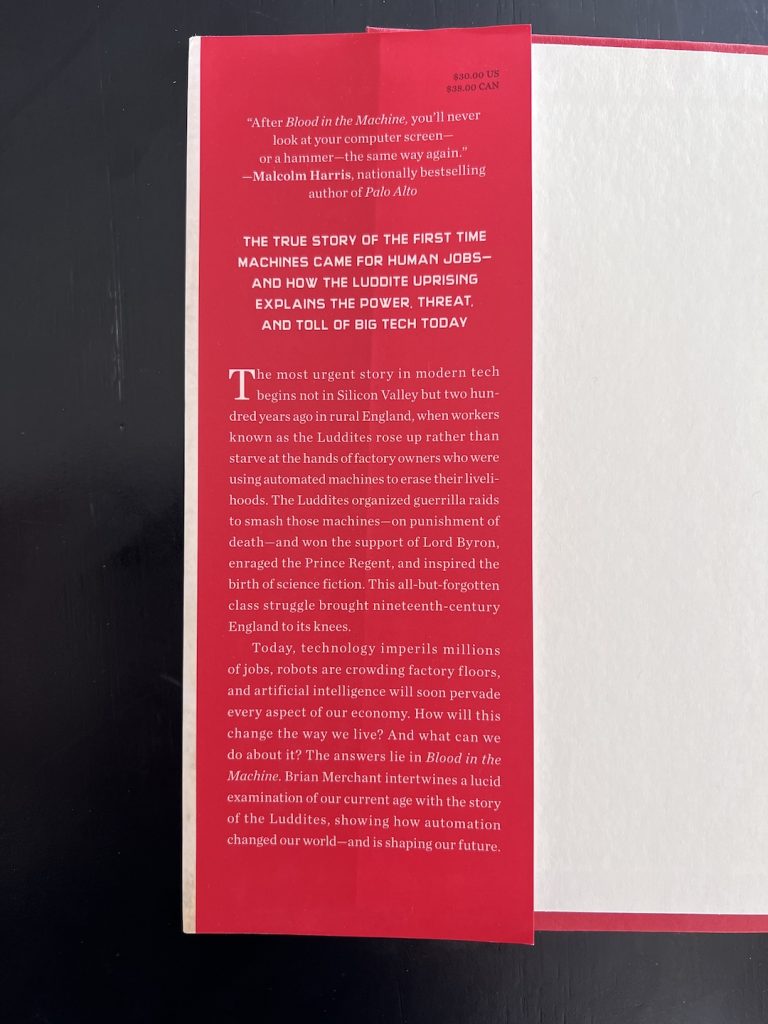
Throughout the book, the author frequently connects modern-day AI and cloud automation technologies that could or will make jobs vanish faster than we can recreate them in new domains. The book has many interesting historical references and facts to keep you curious.
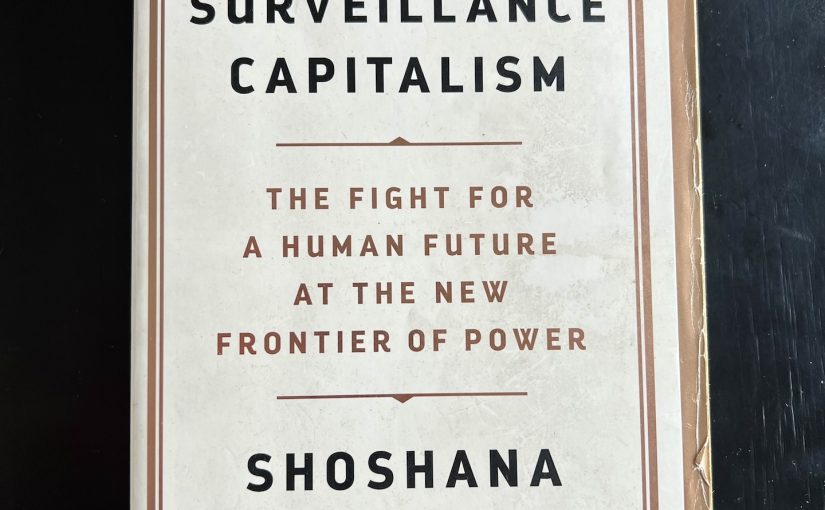
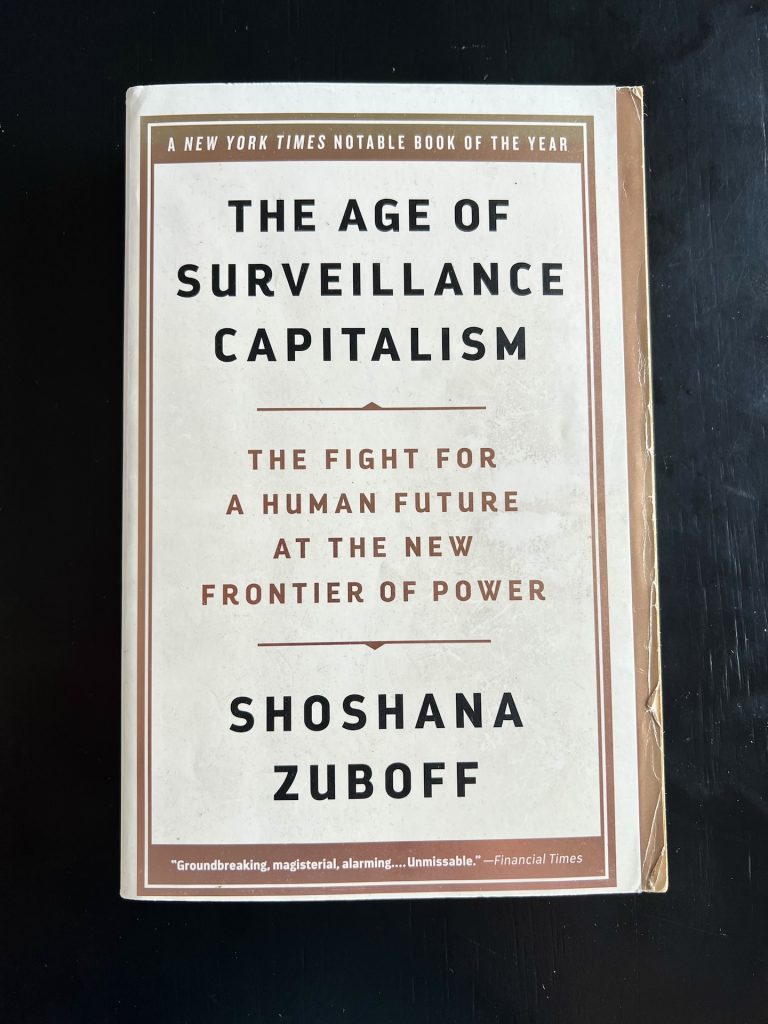
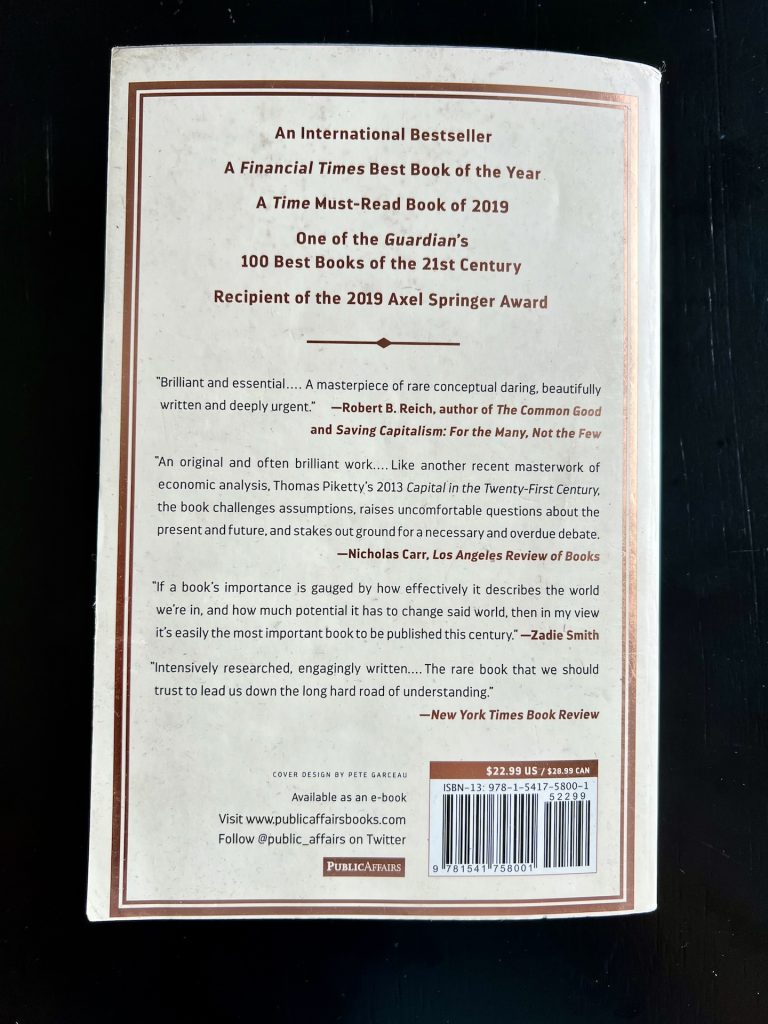
The Age of Surveillance Capitalism by Shoushana Zuboff

“The Age of Surveillance Capitalism: The Fight for a Human Future at the New Frontier of Power” by Dr. Shoshana Zuboff is perhaps the most quoted book on surveillance capitalism. It is about big tech companies that give us free apps and online tools while mining and collecting behavioural surplus data about our demographics, locations, and behaviours and selling it for insane profits or even manipulating public opinions and rigging our democratic establishments.

The Age of Surveillance Capitalism by Shoushana Zuboff

The Age of Surveillance Capitalism by Shoushana Zuboff

The Age of Surveillance Capitalism by Shoushana Zuboff

It took me half a year to finish reading this book. It’s over 500 pages long, and the pages are wordy and dense. It’s a commitment, but this book has valuable historical information and stories about how well-known search engines, social media, Smart devices and IoT platform companies stayed ahead of the legal system while mining our data, made us believe that opting out of their idea of “Future” wasn’t an option, and how they hid their unethical practices behind the barriers of intellectual properties protections.

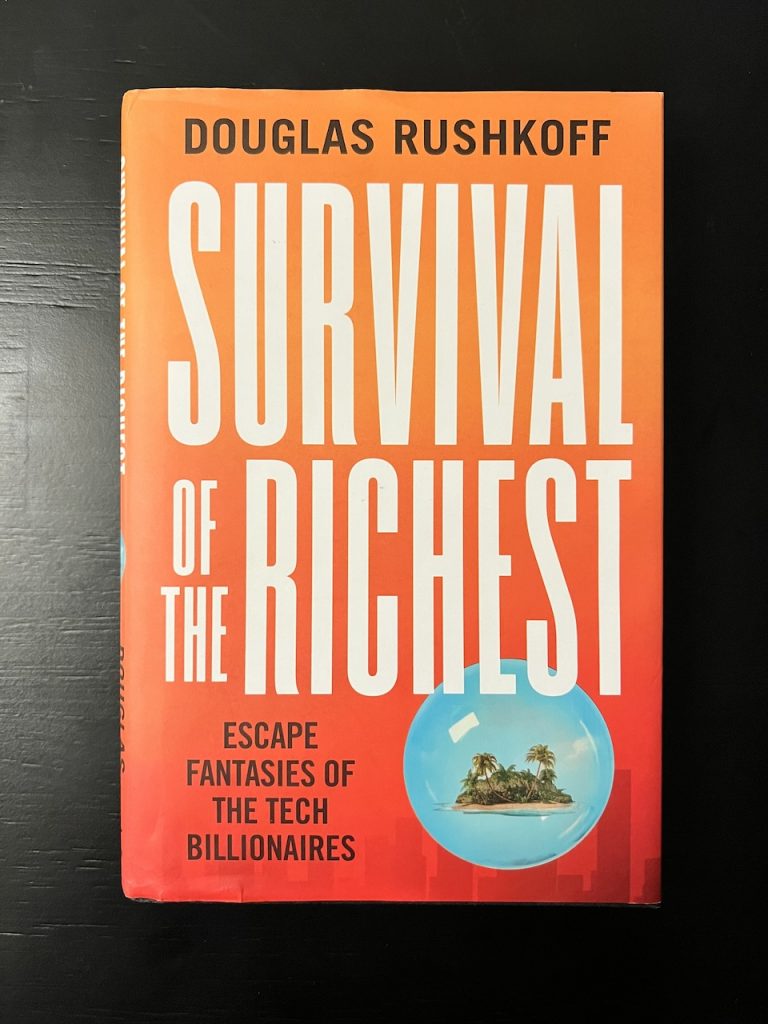
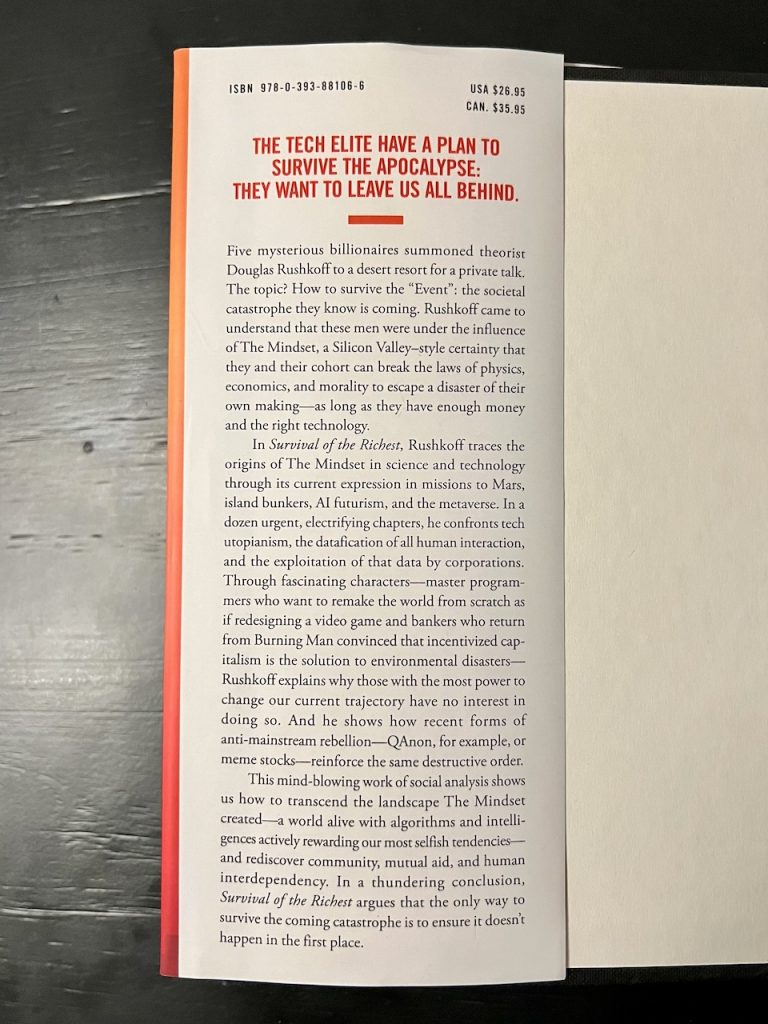
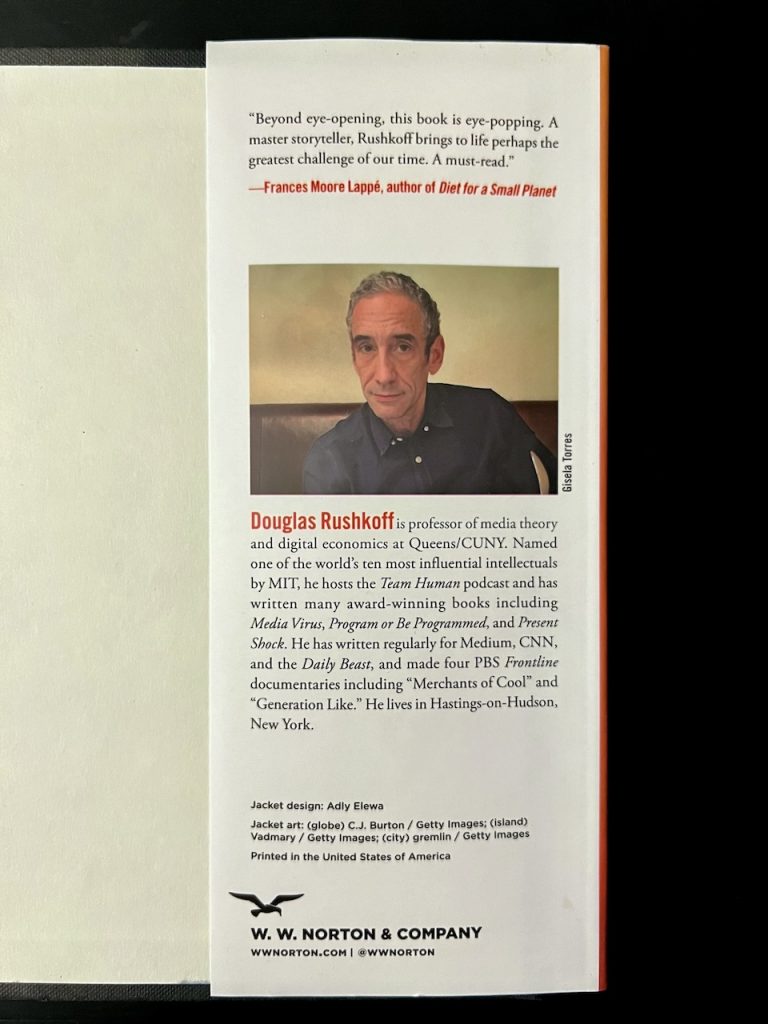
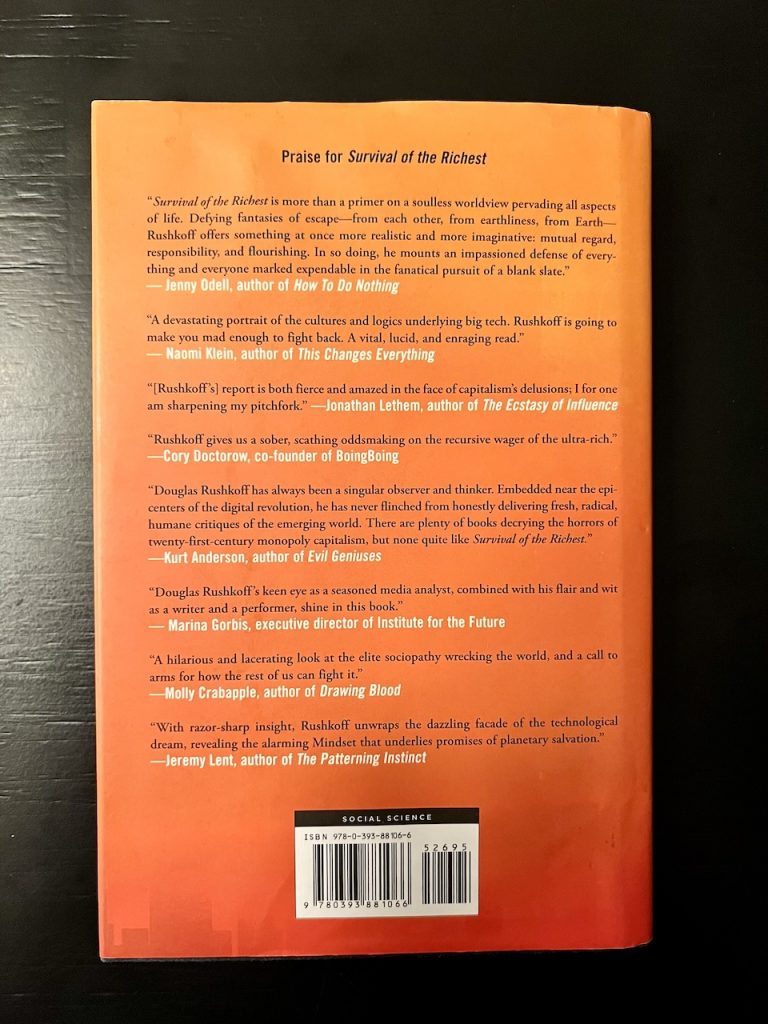
Survival of the Riches by Douglas Rushkoff

Do you want to know how the tech elites are trying to use their wealth and technologies to escape the consequences of their actions and leave the rest of humanity behind? Then it would be best to read Douglas Rushkoff’s Survival of the Riches: Escape Fantasies of the Tech Billionaires, which I think was the best book I read back in 2022.

Survival of the Riches: Escape Fantasies of the Tech Billionaires

In this book, he also challenges the fantasies of tech utopianism, such as building AI and colonizing Mars. Instead, he argues that these are all distractions to avoid the real problems of our reality, such as inequality, environmental degradation, and social disconnection. Rushkoff calls for a radical shift from individualism and competition to building communities and cooperation, from extraction and consumption to regeneration.

A disappointing dream

Before I got up this morning, I dreamed I captured and killed a mouse. The dream interpretation of killing a mouse is often positive, but I am still feeling deeply disappointed in myself for harming and killing a mouse instead of releasing it outside.

From Counterculture to Cyberculture

“From Counterculture to Cyberculture: Stewart Brand, the Whole Earth Network, and the Rise of Digital Utopianism” is my favourite book by Fred Turner. He is a professor of communication at Stanford University. The book explores the origins of the digital utopianism that emerged in the 1990s, tracing it back to the countercultural movement of the 1960s and 1970s. You can consider this book the continuation of his other book, “The Democratic Surround.”

From Counterculture to Cyberculture: Stewart Brand, the Whole Earth Network, and the Rise of Digital Utopianism

Internet was an innovation started and funded by DARPA and the US department of defence. Its practical applications primarily focused on building an ad-hock messaging and information exchange network. The idea of the Internet as a global utopian community to connect people who wanted to exchange ideas was inspired by a combination of hippy artists who used a lot of psychedelic drugs and hosted psychedelic parties and libertarian right investors who believed the Internet would become space where governments would have little influence over and wouldn’t be able to regulate. Stewart Brand was one of the artists and a key influencer to lead the counterculture movement.

Stewart Brand was a member of the art collective USCO, who created experimental light and sound environments and film projections in museums, dance clubs, theatres, and universities. At the time, he was distributing buttons with a profound question “Why haven’t we seen a photograph of the whole earth yet?” That self-funded campaign led to NASA releasing the public’s first photograph of Earth. This was during the cold-war and Brand hoped that humanity would see the Earth as a whole and interconnected system and, as a result, give peace a chance.

Later, Brand founded the Whole Earth Catalog with a picture of the planet earth on the cover. At the time, many people had decided to move back to nature and restart humanity by living in communes, growing their food, building their habitats, and, you know, the whole hippie movement. WEC contained information for sourcing anything from farming, medicine, and creating habitats, to technology and cybernetics equipment. This was not a shopping catalogue but rather for knowing where to find what in this network of communes nationwide; it was a hard copy Internet, Google, or Wikipedia. We often attribute the quote “Stay hungry, stay foolish” to Steve Jobs, but this quote was from the WEC, and this catalogue was one of the resources that inspired Steve Jobs to start Apple computers.

WEC was later recreated as an online community called Whole Earth Lectronic Link or WELL, where users could communicate. Naturally, the WELL users called themselves WELLBeings! So as the hippy communes collapsed, they migrated to cyberspace. Today I learned that WELL.com is still online!

This book also covers the start of the WIRE magazine and silicon valley once the World Wide Web became available to the public.

Stewart Brand and his friends laid the groundwork for the concept of the world wide web as a global community; however, they also note that this vision of the Internet as a utopian space of freedom and society has been challenged by the commercialization of the web and the rise of surveillance capitalism.